nourish the place
A living laboratory demonstrating climate resilience at a neighborhood scale


raising climate resilience
Lasting climate resilience requires adaptive methods, regenerative infrastructure, and neighborhood stewardship.
the challenge
As federal and institutional support for climate action fluctuates, East San José experiences degrading and shrinking green spaces, rising temperatures, and increasing flood risk.

By 2050, agricultural greenhouse gas emissions are projected to jump 40%—spiking nitrous oxide, methane, and carbon dioxide levels nationwide —EPA 2025
our belief
Investing locally in public spaces helps our community weather climate shocks and economic shifts. By grounding our work in the land, we build adaptive infrastructure on the Farm and throughout the neighborhood—creating a more resilient future for everyone.
restoring relationships that last
We turn climate resilience from an abstract concept into a lived, local practice.
our initiatives
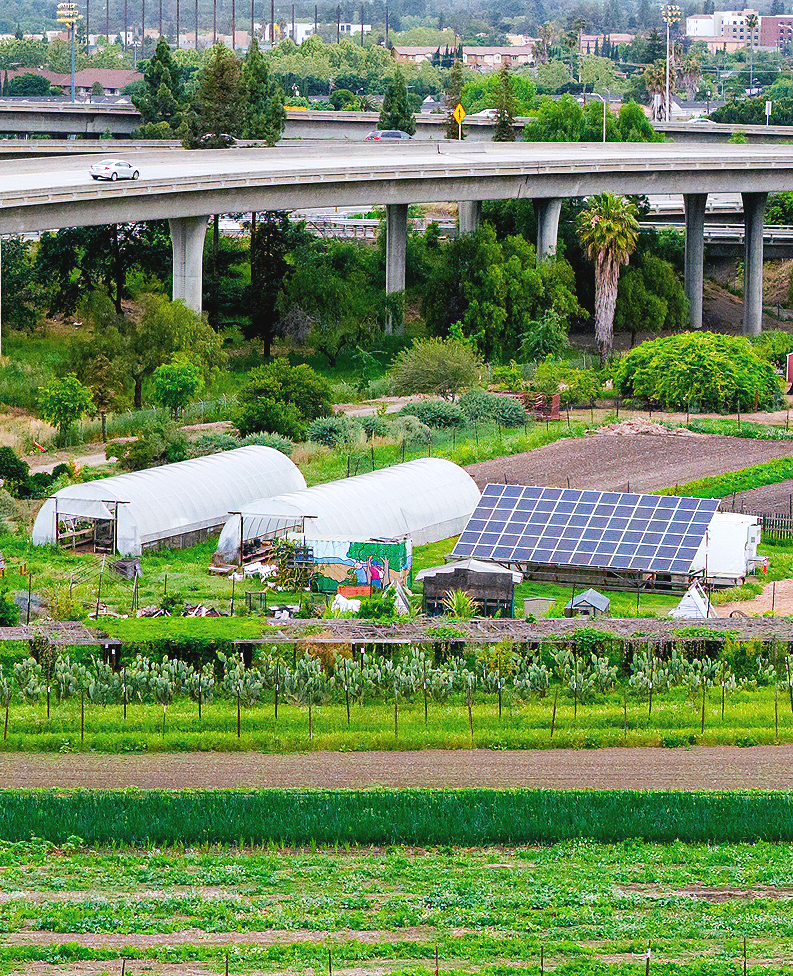
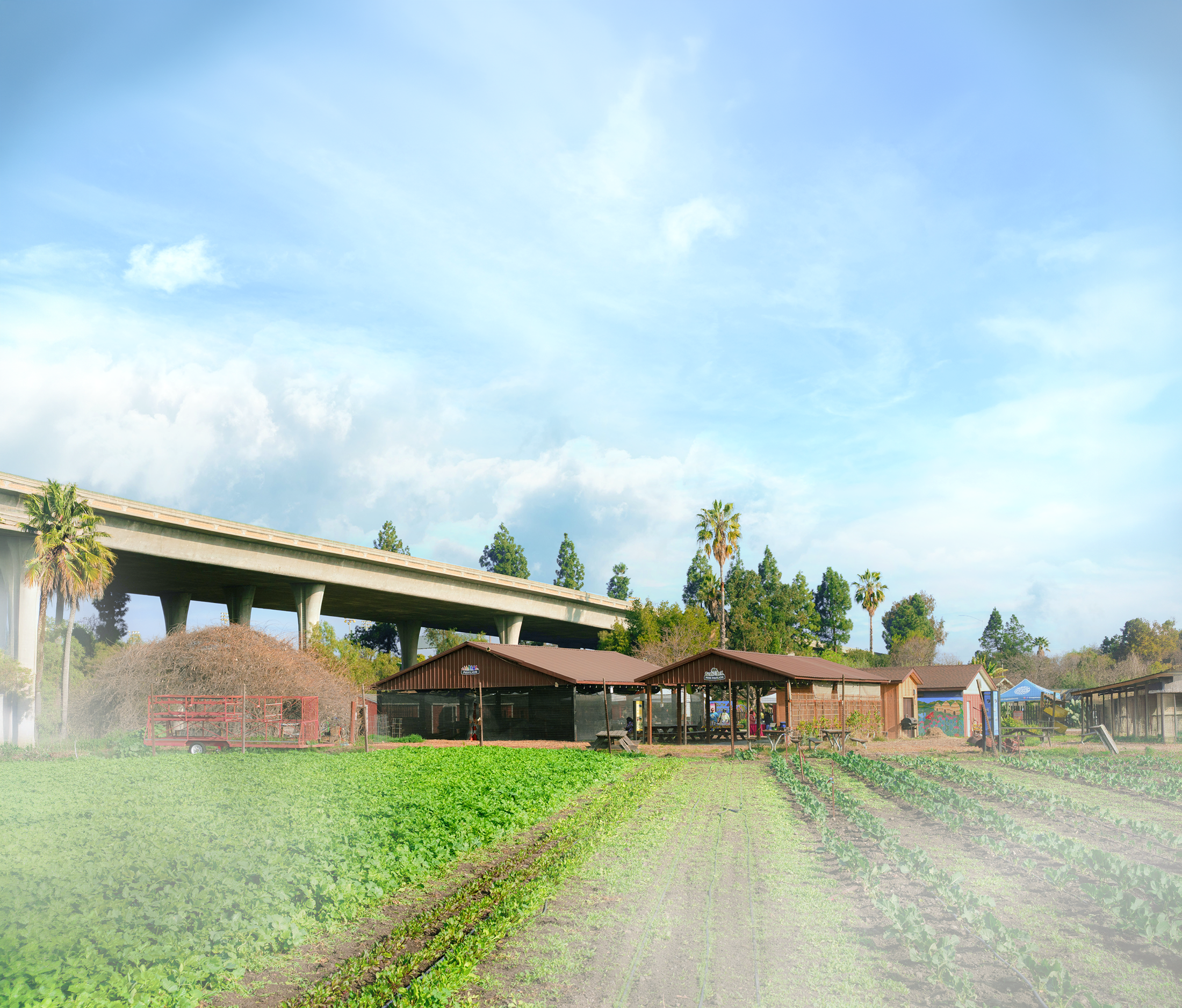
The Farm serves as essential green infrastructure. Through practices like low-till farming, cover cropping, and crop rotation, we model regenerative agriculture that sequesters carbon, boosts biodiversity, and improves water retention to withstand extreme weather.
Real climate resilience starts from the ground up. By combining expert guidance with hands-on resident leadership, we create a space where neighbors learn, care for the land together, and shape a more resilient future for our community.
-
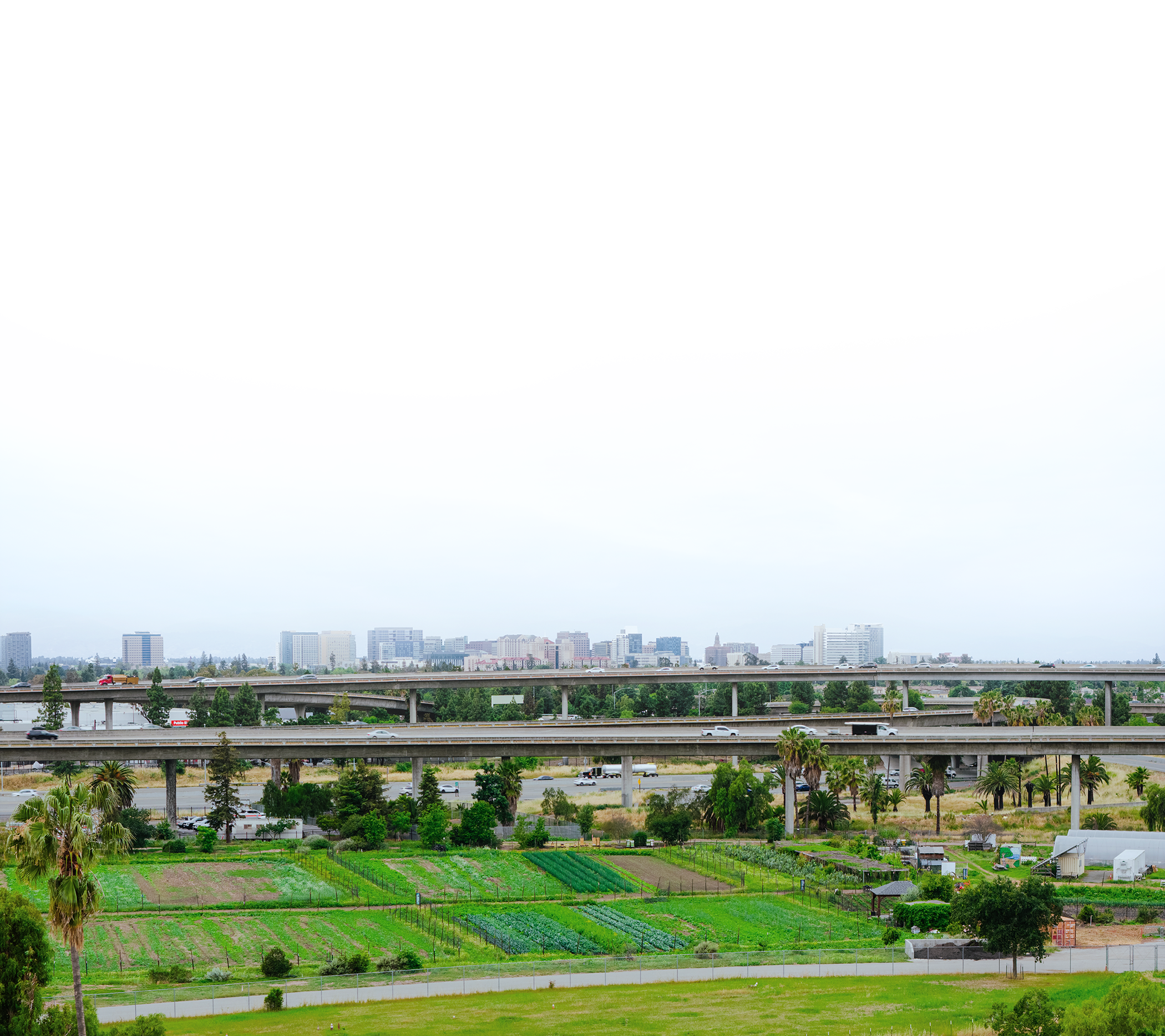
![A scenic view of a multi-layered highway overpass surrounded by green trees, cultivated farmland, and a distant city with mountains in the background under a cloudy sky.]()
adaptive infrastructure
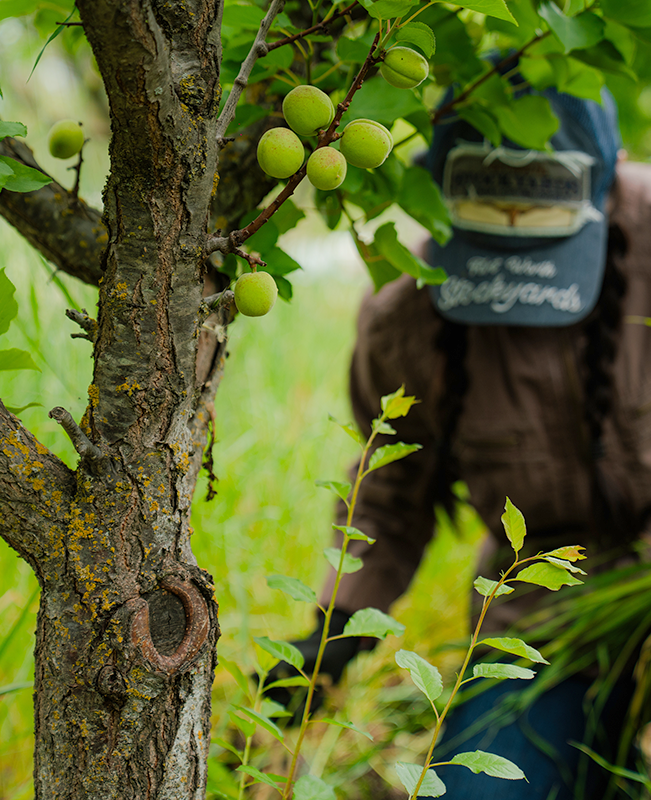
As a testing ground for climate-adaptive planting, the Farm collaborates with universities to develop real-world solutions. From stormwater management and bioswales to soil restoration and drought-tolerant crops, our practices protect local waterways, prevent flooding, and restore the soil.
-
![Produce growing on a tree with a person in the background wearing a cap and brown shirt.]()
regenerative systems
We restore local biodiversity by reviving habitats through hedgerow planting, re-oaking, and pesticide-free pollinator gardens that welcome bees and beneficial wildlife—building a stronger, chemical-free ecosystem.
-
![Aerial view of a suburban neighborhood with houses, trees, and streets, and a large parking lot in the lower part of the image.]()
regional stewardship
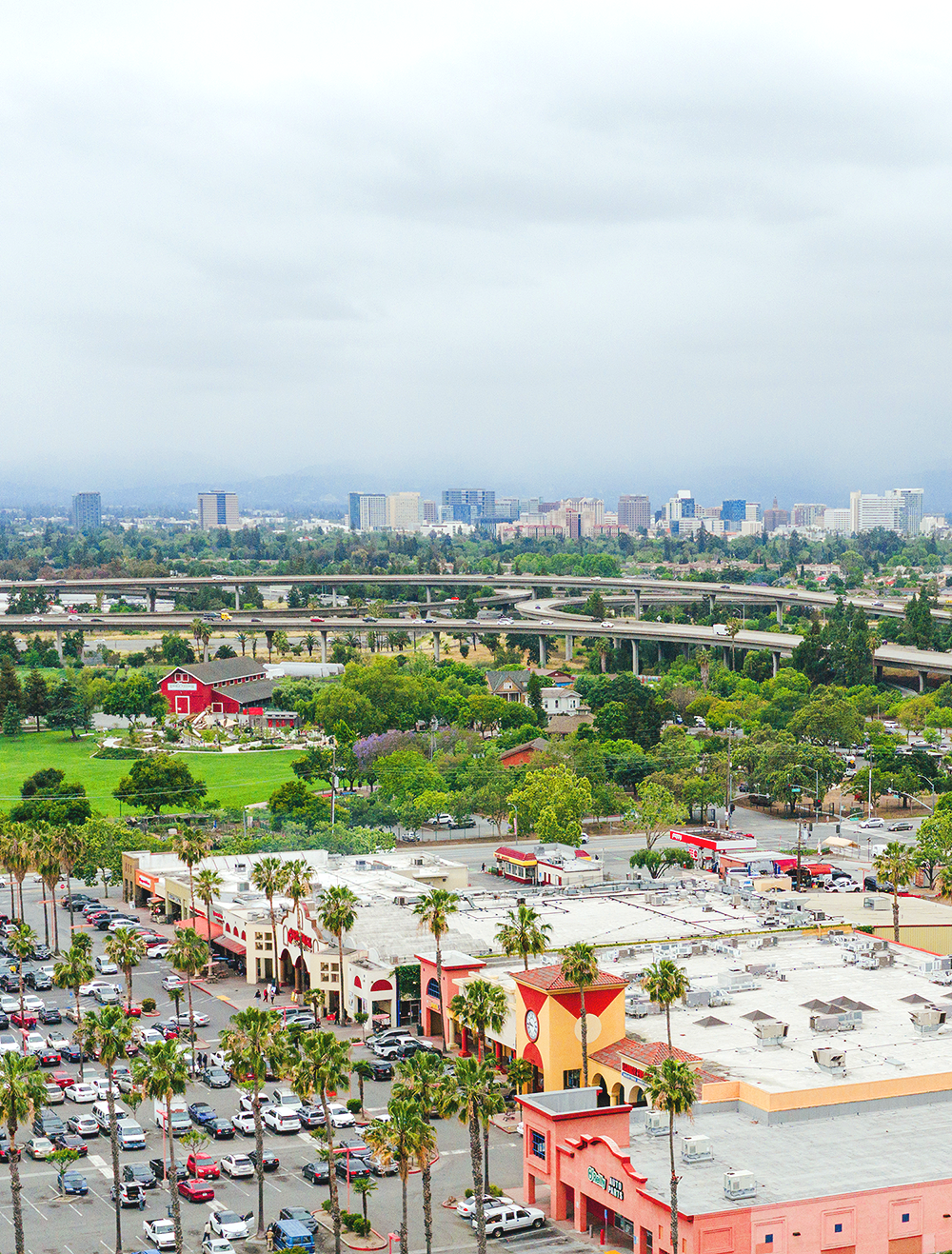
We integrate environmental restoration with systemic changes in community development. Through our training and youth workforce programs, residents gain the skills to lead and empower neighborhood organizations.